HARRISBURG, Oct. 7– In a historic first for Pennsylvania’s judiciary, the Commonwealth and Superior Courts will hold special sessions at Lincoln University and Cheyney University, bringing the work of the Commonwealth’s two intermediate appellate courts directly to the campuses of two of the nation’s most historic black colleges and universities.
The Commonwealth Court will convene at Lincoln University on Oct. 15, 2026, while the Superior Court will hold a special session at Cheyney University in April 2027. The idea for the special session was first raised by Pennsylvania House Appropriations Chairman Jordan A. Harris during a Pennsylvania Supreme Court Budget Hearing. The proposal was enthusiastically embraced by Commonwealth Court President Judge Renée Cohn Jubelirer and Superior Court President Judge Anne. E. Lazarus, who recognized the opportunity to connect the judiciary with students and communities while highlighting the significance of these historic institutions.
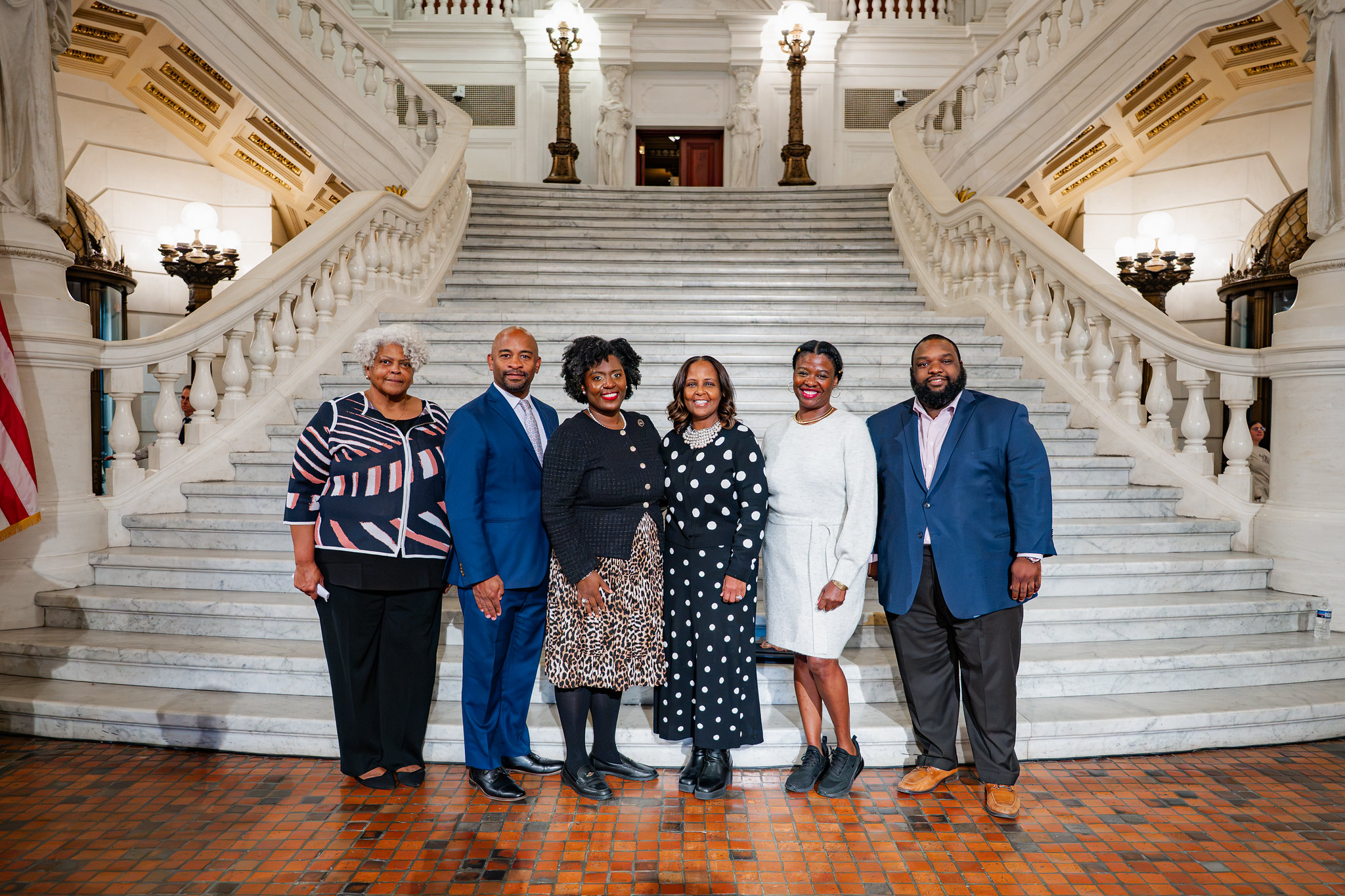
Gathering today in the Pennsylvania State Capitol Rotunda, members of the Pennsylvania General Assembly joined members of the Commonwealth and Superior Courts to discuss the upcoming special sessions and the importance of the sessions and bringing appellate judicial process directly to students and communities.
The sessions mark the first time either court has held proceedings at these institutions, creating a unique opportunity for students, faculty, members of the legal community and the public to observe the appellate judicial process firsthand. The events will also bring together members of the judiciary, legislators, attorneys and community leaders from Chester, Delaware and surrounding counties to recognize the important role of the courts in Pennsylvania’s system of government.
“This first-of-its-kind partnership brings Pennsylvania’s appellate courts directly to two of our nation’s most historic HBCUs,” said House Appropriations Committee Majority Chairman Jordan A. Harris. “The idea grew out of our budget hearings and a simple question: How can we bring the work of our courts closer to the people they serve? These sessions honor the legacies of Lincoln and Cheyney while giving students and surrounding communities a firsthand look at the judicial process. I want to thank Chief Justice Todd, President Judges Cohn Jubelirer and Lazarus, and the members of our Supreme Court for embracing this vision and helping us make history.”
Lincoln University, founded in 1854, holds the distinction of being the nation’s first degree-granting HBCU. Its distinguished alumni include Thurgood Marshall, who graduated from Lincoln before becoming an associate justice of the Supreme Court of the United States and a leading figure in the fight for civil rights. The university’s legacy of academic achievement, leadership and contributions to the legal profession makes it a fitting setting for the Commonwealth Court’s historic session.
"Lincoln University is honored to host a Special Session of the Commonwealth Court of Pennsylvania. As the nation's first degree-granting HBCU, Lincoln has long been committed to preparing principled leaders who advance justice, equity, and civic engagement. Bringing the Commonwealth Court to our campus is both historic and deeply meaningful, as it provides our students and community with a unique opportunity to witness the judicial process firsthand while reinforcing the important connection between higher education, public service, and democratic participation. We are grateful to Chairman Jordan Harris, the Commonwealth Court, and our state partners for recognizing the value of engaging students where learning and leadership take place."
“The Commonwealth Court’s session at Lincoln University provides a meaningful opportunity to connect the work of the judiciary with students and the broader community,” said President Judge Renée Cohn Jubelirer.“
“Lincoln’s extraordinary history makes it a particularly fitting setting for this court session. By opening the doors to our appellate process and bringing it directly to campus, we can help students gain a deeper understanding of the courts and the important role they play in our system of government.”
Cheyney University, founded in 1837, is recognized as the nation’s first HBCU and has a longstanding legacy of expanding access to higher education and preparing generations of leaders. Hosting the Superior Court will provide students with a meaningful opportunity to see the judicial system in action and learn more about the role of appellate courts in interpreting and applying Pennsylvania law.
“Cheyney University is excited to host the PA Appellate Court Session. Campus visits are a powerful form of judicial outreach that benefits students, faculty, and the public by bridging the gap between legal theory and practice,” said Cheyney University President Aaron A. Walton. “These visits give students, especially those contemplating careers in law, a first-hand look at the judicial process. Observing real oral arguments, case deliberations, and judge–attorney interactions provide context for classroom learning, helping students understand how legal principles are applied in practice.”
“Cheyney University has played an important role in expanding educational opportunity and preparing generations of leaders, making it a fitting setting for the Superior Court to bring its work directly to students,” said President Judge Anne E. Lazarus.”
“This special session will allow students to see how appellate judges consider legal arguments, apply Pennsylvania law and make decisions that affect people and communities across the Commonwealth. We are pleased to be part of this important opportunity for civic education and engagement.”
Although both courts periodically travel to locations outside Harrisburg, Philadelphia and Pittsburgh, the sessions at Lincoln and Cheyney represent a significant milestone in the judiciary’s ongoing efforts to engage with communities throughout the Commonwealth.
During each special session, a panel of appellate judges will hear several cases, allowing attendees to observe the proceedings and gain a better understanding of how appellate courts function. Unlike trial courts, which hear evidence and determine facts, Pennsylvania’s intermediate appellate courts review decisions from lower courts and administrative agencies, applying the law and addressing issues within their respective constitutional and statutory jurisdictions.
For students pursuing studies in law, political science, criminal justice, public policy and related fields, the sessions will offer a valuable educational experience beyond the classroom. By observing actual appellate proceedings, students will have the opportunity to gain insight into legal arguments, judicial decision-making and the responsibilities of the courts within Pennsylvania’s government.
The sessions will also recognize the historic contributions of Lincoln and Cheyney universities to higher education, public service and the development of leaders who have helped shape Pennsylvania and the nation.
By holding these special sessions, the Commonwealth Court and Superior Court will continue a tradition of bringing the judiciary closer to the people it serves, while creating meaningful opportunities for civic education, public engagement and a greater understanding of Pennsylvania’s judicial system.
# # #
Media Contact:
Stacey Witalec, 717-877-2997
Christina Fonseca (House Majority Appropriations Chairman Jordan Harris), cfonseca@hacd.net
